Truck Sponsorship in the UAE- Who Really Owns The Truck?

By Anushree . 14 Feb 2026
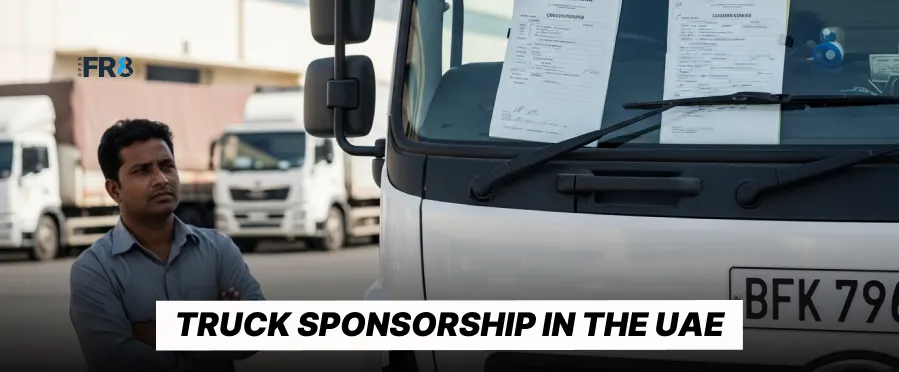
Imagine you are a truck driver in the UAE, spend ₹25–30 lakhs of your hard-earned savings to buy a truck. You drive it day and night, paying for fuel, EMI, traffic fines, and insurance. You handle breakdowns, load delays, and operational risks—all thinking this truck is yours. But legally… it isn't.
How Does This Happen?
This is the reality of the UAE transport industry. Here, the law prioritizes paperwork over payment. Even if you invest your life savings, without the right legal structure, ownership on paper belongs to someone else. At OpenFR8, we've seen countless drivers fall into this trap. That's why understanding Khafalat, or sponsorship, is critical before you invest.
Every year, thousands of drivers enter the UAE transport industry dreaming of becoming owner-operators. But very few understand one simple rule: in the UAE, ownership is not about money—it's about paperwork. No matter how much you pay, if the system doesn't recognize you as the legal owner, you don't truly own the truck.
The System Constraint
In most countries, buying a vehicle automatically gives you ownership. Simple. But in the UAE, commercial trucks cannot be registered under an individual's name. To legally register a truck, you need a transport trade license, a registered company, and RTA approval under that company.
Most drivers cannot afford these costs or annual maintenance. This is where sponsorship—or Khafalat—comes in. It's a legal workaround that allows drivers to operate trucks without registering them under their own names.
What is Sponsorship Really?
Sponsorship, or Khafalat, is essentially a guarantee. It allows a driver to operate a truck that is legally owned by a company. Typically, you pay for the truck, a transport company registers it in their name, you operate it, and the company charges 300–500 AED per month.
On the surface, this seems fair. You pay, you drive, and the company provides the legal cover. But in reality, the driver bears almost all financial and operational responsibilities, while the company retains legal control.
The Power Imbalance
Let's break this into two layers: reality and legality.
Layer One: Reality
This is the part you live every day. You invest the money. You take the operational risks. You handle the uncertainty, the expenses, and the pressure that comes with running the asset. And at the end of the day, you're the one generating the revenue. From where we stand, this feels like true ownership because the effort and responsibility sit with you.
Layer Two: Legality
But when we look at the structure, the story changes. On paper, the company owns the truck. It controls the renewals, the compliance, and the documentation. That means it controls the permissions. And in business, the one who controls the paperwork usually controls the leverage.
What This Really Means : This is where the imbalance becomes clear. You bring the effort, the risk, and the execution. But the company holds the structure.
Who Really Bears the Costs?
Let's break it down: traffic fines are officially on the company's record, but practically, you pay them. Insurance is issued in the company's name, but the premium is fully yours. Maintenance and breakdowns are entirely your responsibility. Economically, you behave like the owner, but legally, the company does.
| What You Think You Own | What You Actually Own | Who Controls It |
| The truck | Usage rights only | Company |
| Registration | Nothing | Company |
| Insurance | Premium payments | Company |
| Traffic fine liability | Fine payments | Company (record) |
| Monthly operations | All costs | Driver |
| Renewal & compliance | Nothing | Company |
| Legal title | Nothing | Company |
The Real Risk Most People Miss
If your relationship with the company sours, they can block registration renewals, delay transfers, or even immobilize your truck. This happens not because they invested, but because the law recognizes paperwork, not payment.
Written agreements, trust, and clarity are critical. Without them, your hard-earned truck can become a legal liability.
Why Companies Agree to This Model
From a company's perspective, sponsorship is logical. They take regulatory risk off their hands, lend their license to drivers, and manage compliance exposure. For just 300–500 AED per month, it's a low-effort, high-leverage income. Many companies also arrange loads and collect commissions, making the model profitable with minimal effort.
Who Wins & Who Loses
Sponsorship works best when trust is high, agreements are written, and exit paths are clear. It fails when everything is verbal, drivers invest blindly, and legal clarity is missing. In such cases, the driver bears all risk, and the company loses very little. This is why we always advise: invest only with full understanding and clear agreements.
The Big Lesson
Sponsorship teaches an important lesson: in regulated economies, ownership is not about who pays—it's about who the system recognizes. Anyone entering this model without understanding it is not investing—they are gambling with their money and time.
Conclusion
Sponsorship isn't wrong; it's a legal solution for drivers and companies alike. But ignorance is expensive. The smartest drivers aren't the fastest—they're the ones who know the rules, understand the risks, and make informed decisions. Before investing, understand Khafalat, secure written agreements, and know who legally owns your truck.
This transparency is a key reason why top Transport Companies in Dubai Prioritize Customer Service.